
How to Prepare Your Child for Day Boarding School in Odisha
17 Nov 2026
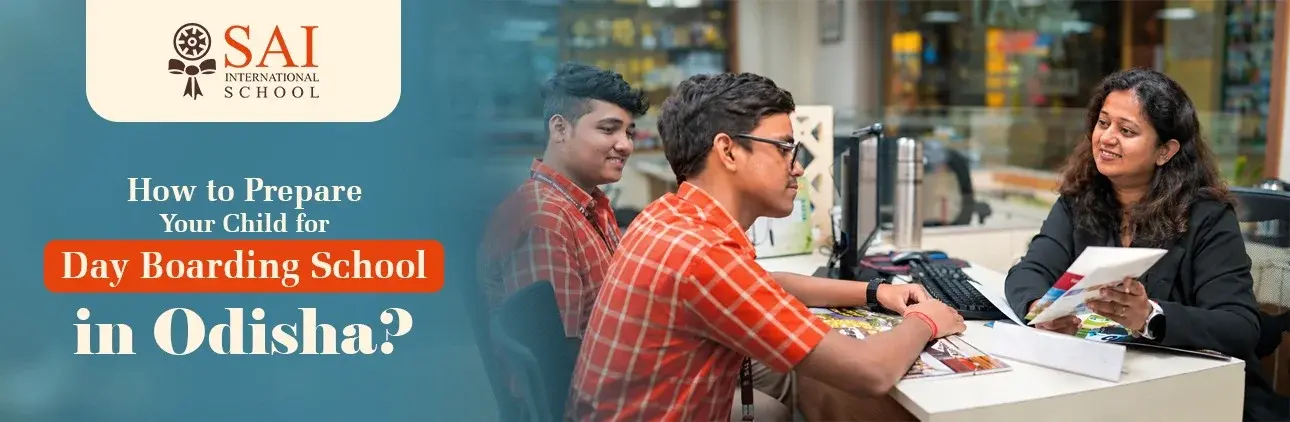
Starting day boarding school is a big step for children and for parents. The school day is longer, the routine is new, and there are more friends and teachers to get to know. A little nervousness is normal. The good news is that most children settle in well when they’ve had some preparation at home. With a few small changes in the weeks before term, you can help your child feel ready for a day boarding school in Odisha, from sleep and meals to simple things like packing their own bag. Here's how to make the move easier for everyone.
To prepare your child for day boarding school, start two to three weeks early. Fix sleep and meal times, practise packing and simple chores, talk openly about worries, visit the campus if you can and confirm the daily schedule with the school.
What Should Parents Know Before Their Child Starts Day Boarding School?
A regular school day usually ends in the afternoon. Day boarding stretches it so your child spends more hours on campus with activities, study time and meals there too. However, different schools plan this differently, so it's best to ask the school to confirm:
* Daily schedule - exact start and finish times and how the day is split between classes, activities and rest.
* Meals - what's served, how many meals or snacks and whether special dietary needs are handled.
* Activities - sports, clubs and homework or study periods and when they happen.
* Rest breaks - whether there's quiet time, especially for younger children.
* Communication - how teachers reach you and who to call in an emergency.
Knowing the routine in advance helps you plan and explain the day to your child.
How to Prepare Your Child Emotionally for a New School
Some children worry about being away from home for longer. Others fear no one will talk to them or that the teachers will be strict. These feelings are normal, and here's how you can help children navigate through them:
* Listen first. Ask open questions like What are you looking forward to? What feels tricky? and don't rush to fix things.
* Name the worry. Saying 'it's okay to feel nervous' often helps more than 'don't worry.'
* Visit the campus. If the school allows it, walk around together so the place feels familiar on day one.
* Practise making friends. Role-play saying hello or joining a game.
* Give them a way to ask for help. Make sure your child knows which teacher to go to.
How to Build a Healthy Routine Before School Starts
A day boarding schedule is long, and tired children struggle. Hence, make sure to start adjusting at home two or three weeks before term, a little at a time. Start with:
* Sleep - Move bedtime and wake-up time by 10 to 15 minutes every few days until they match the school timetable.
* Mornings - Practise the full routine, from waking up to leaving the house, so it doesn't feel rushed on day one.
* Food - Offer regular, balanced meals with fruit, vegetables and protein and get them used to eating at set times.
* Water - Encourage them to carry a bottle and drink through the day.
* Balance - Plan some free time and family time after school so the day doesn't feel like all work.
However, you should make these changes slowly and one by one, and remember not to change everything at once.
How to Help Your Child Become More Independent
Day boarding gives children more room to do things themselves. Still, you can help your child build a few habits before school starts by encouraging them to do a little more on their own each day. You may teach them to:
* Organise belongings - Let them pack their own bag the night before and check it against a list.
* Maintain personal hygiene - Make washing hands, brushing teeth and keeping nails and hair tidy a daily habit.
* Follow instructions - Give two- or three-step tasks, like put your shoes away, then bring your plate, and see how they manage.
* Take care of simple responsibilities - A small daily job, like watering plants or laying the table, builds a sense of ownership.
* Ask for help - Practise how to approach a teacher politely when they don't understand something.
Day Boarding School Preparation Checklist for Parents
Here are some practical tips for starting day boarding school without last-minute stress. Tick these off a week or two before the first day:
- Essentials - Uniforms, books, stationery, a water bottle and a spare set of clothes where needed. Label everything.
- Timings and transport - Confirm school hours, pick-up and drop-off times and what to do if the bus or van is late.
- Meals - Check the school's meal plan and any food guidelines and tell staff about allergies or dietary needs.
- Emergency details - Share up-to-date contact numbers and list who is authorised to pick up your child.
- Rules and safety - Read the school's rules and safety procedures and help your child learn the names of a few trusted staff members.
- Teacher communication - Agree how often you'll check in during the first few weeks.
- Downtime - Keep evenings free for rest, play and family time.
How to Choose the Right Day Boarding School in Odisha
Preparation at home works best when the school is the right fit. If you're comparing a day boarding school in Bhubaneswar, look at these points before you apply:
* Curriculum and teaching approach - Is the board good for your child, and do teachers encourage questions and hands-on learning?
* Extended-day schedule - How are meals, rest and study time arranged across the longer day?
* Safety and supervision - Who looks after children during breaks, transport and activities?
* Sports, activities and learning facilities - Are labs, libraries and playgrounds actually used during the day?
* Emotional support - Do teachers know their students, and is there someone children can talk to?
* Communication and transport - How easy is it to reach teachers, and are routes and timings convenient for you?
Don't rely on brochures alone. Visit the campus, watch how staff speak to children and ask the school to explain its actual day boarding arrangements, ideally in writing.
Conclusion
Preparing for day boarding comes down to four things - emotional readiness, a healthy routine, small steps towards independence and checking the school's arrangements before admission. By keeping note of all these things, you should choose a school that supports your child's learning, wellbeing and individual needs.
At SAI International School, a day-cum-boarding school in Bhubaneswar, we offer CBSE and IGCSE, 25+ clubs, sports, a cafeteria, an infirmary and a hostel. For more information, you may look at the Learning & Beyond page and admissions guidelines or even schedule a visit to the campus and learn everything about us in person.
FAQs
What is the difference between day school and day boarding school?
A day boarding school keeps children on campus longer than a regular day school. Along with lessons, students usually have meals, supervised study and activities there. A regular day school mostly ends after classes and a short activity period.
How can I help my child adjust to longer school hours?
Start early by moving sleep and meal times closer to the school day. Keep evenings calm with time to rest and talk. Most children feel tired at first and then settle.
What should my child carry to day boarding school?
Your child should carry books, stationery, a labelled water bottle and anything else the school lists. Younger children may need a spare set of clothes. Check the school's list, since requirements differ.
How long does it take a child to adjust to a new school?
Most children need a few weeks to feel settled, though it varies. Look for signs like talking about friends or teachers, and speak to the class teacher early if worries don't ease.
Photo Highlights